The global transition toward cleaner and more sustainable energy systems presents both opportunities and challenges, particularly for emerging economies. These countries face the complex task of expanding energy access and supporting economic growth while simultaneously addressing environmental concerns and global climate commitments.
Emerging economies often experience rapid industrialization, population growth, and increasing energy demand. As a result, energy systems must evolve in ways that maintain reliability and affordability while gradually integrating cleaner technologies.
Developing effective energy transition strategies requires a balanced approach that recognizes economic realities, resource availability, and national development priorities.
“Taking care of your health is the most important investment you can make. When you nourish your body with good food, rest, and movement, and nurture your mind with positive thoughts and rest, you create a foundation for a vibrant and fulfilling life.”
Kayley Rain
The Role of Oil and Gas in Energy Transition
Despite increasing investment in renewable energy, hydrocarbons remain essential components of the energy systems in many emerging economies. Oil and natural gas continue to support industrial activities, transportation, and electricity generation.
Natural gas, in particular, is often considered a transition fuel due to its lower carbon intensity compared to coal. Expanding natural gas infrastructure can help countries reduce emissions while maintaining stable energy supplies.
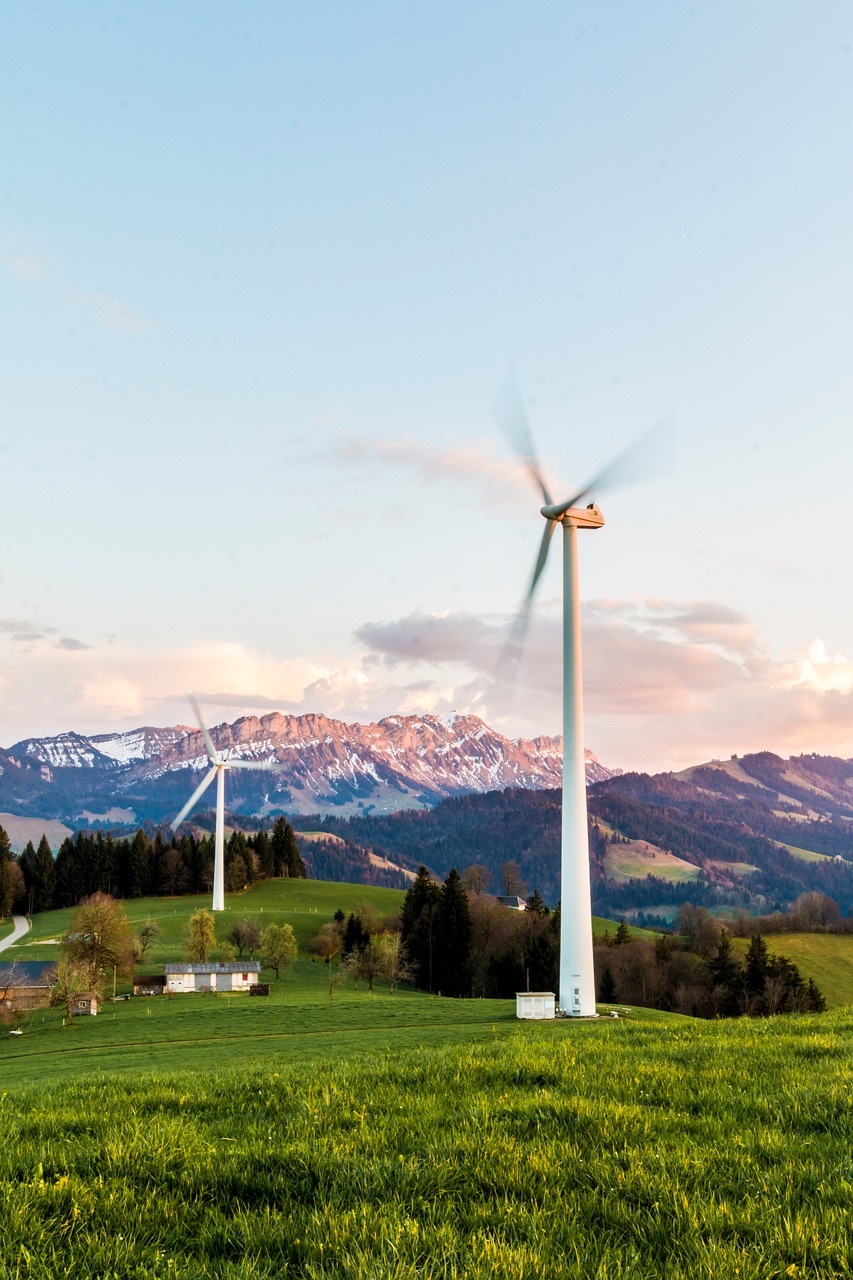
At the same time, governments are gradually integrating renewable energy technologies into their energy portfolios to diversify supply and reduce long-term environmental impact.

Key Strategies for Successful Energy Transition
To achieve sustainable energy development, emerging economies must adopt strategic approaches that balance growth, sustainability, and energy security.
1. Diversifying the Energy Mix
Countries should develop balanced energy portfolios that include oil, gas, renewables, and emerging technologies to ensure supply stability.
2. Strengthening Energy Infrastructure
Investments in transmission networks, storage systems, and smart grid technologies are essential to support reliable energy systems.
3. Encouraging Private Sector Investment
Clear regulatory frameworks and supportive policies can attract private investment into renewable energy and infrastructure projects.
4. Promoting Technological Innovation
Adopting advanced digital technologies and energy management systems can significantly improve efficiency and system performance.
5. Integrating Long-Term Energy Planning
Governments should develop comprehensive national energy strategies that align economic development goals with sustainability objectives.